


Introduction
The digital world continues to evolve at a rapid pace, and businesses that fail to adapt often struggle to compete. In 2026, marketing is no longer just about running advertisements or posting occasionally on social media. Instead, successful companies rely on strategic digital marketing approaches that combine technology, data, and creativity.
Digital marketing strategies help businesses increase brand awareness, attract potential customers, and convert traffic into loyal clients. With the growing influence of artificial intelligence, personalization, and data analytics, marketers now have more powerful tools than ever before.
In this article, we will explore 10 digital marketing strategies every business must use in 2026 to stay competitive and grow sustainably.
Main Keyword
Digital Marketing Strategies
Related Keywords (LSI Keywords)
- Online marketing strategies
- Digital marketing trends 2026
- Content marketing strategy
- Social media marketing
- SEO marketing strategy
- Email marketing campaigns
- AI in digital marketing
- Influencer marketing strategy
- Marketing automation tools
- Customer engagement strategy
1. Search Engine Optimization (SEO)
Search Engine Optimization remains one of the most important digital marketing strategies for businesses in 2026.
SEO helps your website appear in search engine results when users search for products or services related to your business.
Key SEO Techniques

- Conduct keyword research using tools like Google Keyword Planner
- Optimize website content with targeted keywords
- Improve website loading speed
- Build high-quality backlinks
- Use structured data and schema markup
According to marketing research, over 68% of online experiences start with a search engine, making SEO a critical strategy for business growth.
2. Content Marketing
Content marketing focuses on creating valuable and relevant content to attract and engage customers.
Businesses that invest in content marketing build authority and trust within their industry.
Examples of Content Marketing
- Blog articles
- Educational guides
- Videos and tutorials
- Infographics
- Case studies
High-quality content not only drives traffic but also improves SEO rankings and customer loyalty.
3. Social Media Marketing
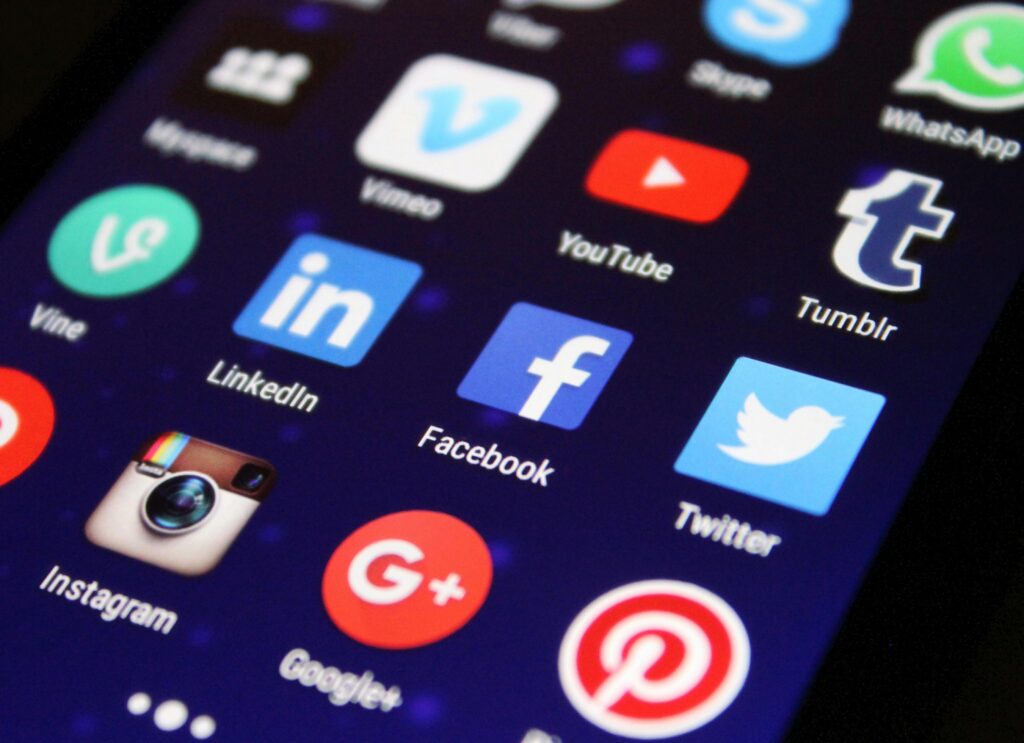
Social media platforms continue to play a significant role in connecting businesses with their audiences.
Platforms such as Instagram, LinkedIn, TikTok, and Facebook allow companies to promote products, interact with customers, and build brand identity.
Effective Social Media Strategies
- Post consistently
- Engage with followers through comments and messages
- Use short-form videos
- Run targeted advertising campaigns
- Analyze performance metrics
Businesses that actively engage with their audience on social media often experience higher brand visibility and customer engagement.
4. AI-Powered Marketing
Artificial Intelligence is transforming the marketing industry. AI tools help marketers analyze data, automate campaigns, and personalize customer experiences.
Examples of AI in Marketing
- Chatbots for customer support
- AI-generated content
- Customer behavior prediction
- Automated ad optimization
AI allows businesses to make smarter decisions and deliver more relevant marketing messages.
5. Email Marketing Campaigns
Email marketing remains one of the highest ROI marketing channels.
Companies can use email campaigns to nurture leads, promote offers, and maintain relationships with customers.
Best Practices for Email Marketing
- Segment your email lists
- Personalize messages
- Write compelling subject lines
- Include clear call-to-action buttons
- Track open and click-through rates
Personalized email campaigns significantly increase engagement and conversion rates.
6. Influencer Marketing
Influencer marketing continues to grow as consumers trust recommendations from influencers more than traditional advertising.
Businesses collaborate with influencers who have loyal followers within their niche.
Benefits of Influencer Marketing
- Increased brand credibility
- Wider audience reach
- Higher engagement rates
- Authentic product promotion
Micro-influencers often deliver better engagement than large celebrity influencers.
7. Video Marketing
Video content dominates digital platforms and has become one of the most effective marketing tools.
Short videos, tutorials, and product demonstrations help businesses communicate messages more effectively.
Popular Video Marketing Platforms
- YouTube
- TikTok
- Instagram Reels
- Facebook Video
Studies show that video content can increase conversion rates by up to 80%.
8. Marketing Automation
Marketing automation tools help businesses streamline repetitive marketing tasks.
These tools allow companies to schedule posts, manage campaigns, and track customer interactions automatically.
Common Marketing Automation Tools
- HubSpot
- Mailchimp
- ActiveCampaign
- Salesforce Marketing Cloud
Automation improves efficiency and ensures consistent marketing communication.
9. Personalization and Customer Experience
Customers expect personalized experiences when interacting with brands.
Businesses that tailor marketing messages to individual preferences achieve higher engagement.
Personalization Techniques
- Personalized email recommendations
- Product suggestions based on browsing history
- Dynamic website content
- Targeted advertisements
A strong customer experience builds loyalty and long-term relationships.
10. Data-Driven Marketing
Data analytics plays a vital role in modern marketing strategies.
Businesses use analytics tools to measure campaign performance and improve marketing decisions.
Key Marketing Metrics
- Website traffic
- Conversion rates
- Customer acquisition cost
- Engagement rate
- Return on investment (ROI)
Data-driven marketing ensures that strategies are optimized based on real performance insights.
Frequently Asked Questions (FAQ)
1. What are digital marketing strategies?
Digital marketing strategies are structured plans businesses use to promote products and services through online channels such as search engines, social media, email, and websites.
2. Why are digital marketing strategies important for businesses?
They help businesses reach larger audiences, increase brand visibility, generate leads, and drive sales.
3. What is the most effective digital marketing strategy in 2026?
SEO, content marketing, and AI-powered marketing are considered among the most effective strategies.
4. How long does it take for SEO to show results?
SEO results typically take 3 to 6 months, depending on competition and content quality.
5. Can small businesses benefit from digital marketing?
Yes. Digital marketing allows small businesses to compete with larger companies using targeted and cost-effective strategies.
Conclusion
Digital marketing in 2026 is more advanced, competitive, and technology-driven than ever before. Businesses that adopt modern digital marketing strategies can reach new audiences, strengthen customer relationships, and increase revenue.
From SEO and content marketing to AI-powered campaigns and influencer collaborations, each strategy plays a vital role in building a strong online presence.
Companies that combine these strategies effectively will be better positioned to succeed in the digital marketplace.
Call to Action
If you want your business to grow online, start implementing these 10 digital marketing strategies today. The sooner you adapt to modern marketing trends, the faster you can build brand authority and attract loyal customers.
Internal Linking Suggestions
You can link this article to other blog posts such as:
- Beginner’s Guide to SEO
- How to Start Content Marketing
- Social Media Marketing Tips for Businesses
- Best AI Tools for Marketing
- Email Marketing Guide for Beginners
External Authoritative Sources
For credibility, you can reference these trusted sources:
- HubSpot Marketing Reports
- Google Search Central (SEO guidelines)
- Statista digital marketing statistics
- Content Marketing Institute research
- McKinsey digital transformation studies